
Seasonal Home Maintenance: A Room-by-Room and System-by-System Calendar
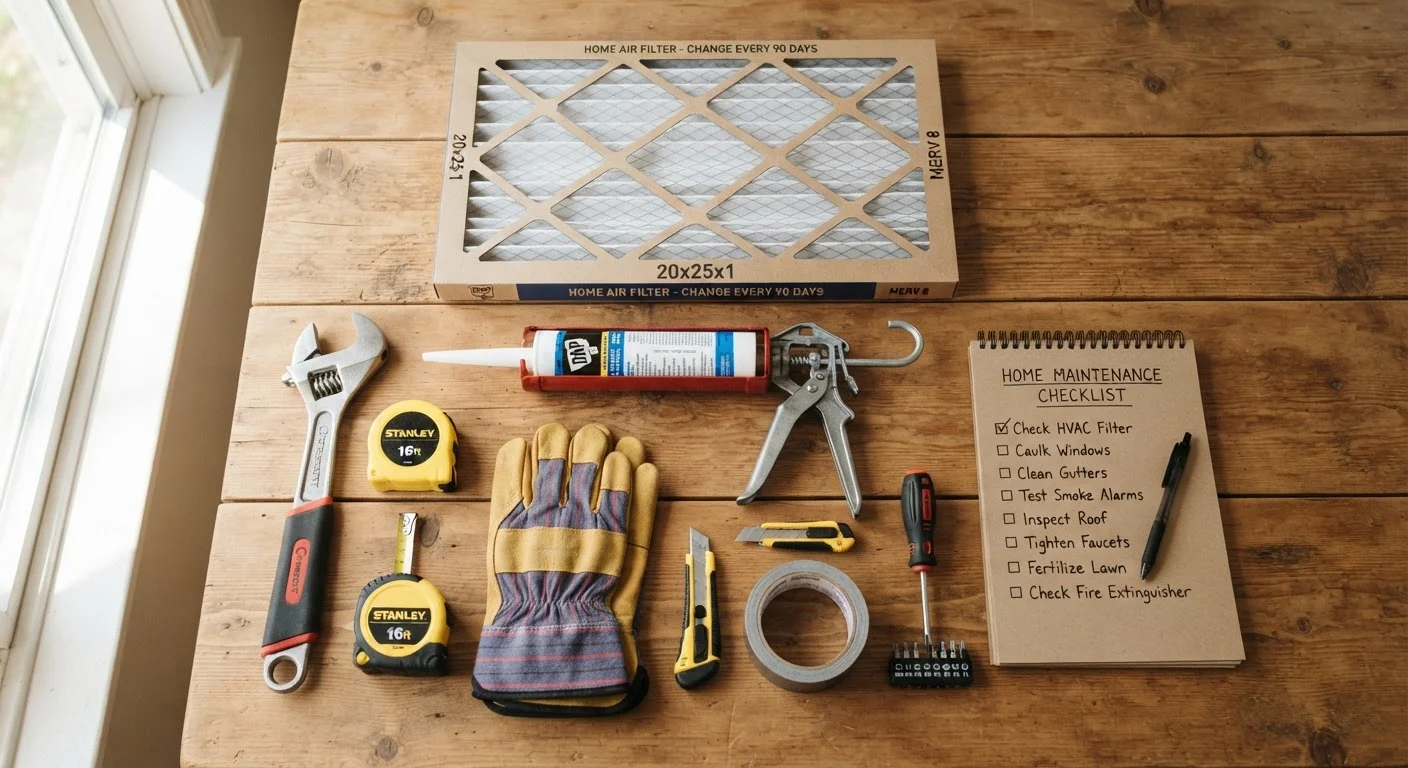
Photo credit: Glowwwatch.com
In this article
A structured, year-round reference covering what to inspect, service, and prepare across every major system and area of your home each season.
Key Takeaways
- Seasonal maintenance catches small problems before they become expensive repairs.
- HVAC, roofing, plumbing, and exterior caulking each have season-specific vulnerabilities.
- Many tasks are DIY-friendly, but electrical, gas, and structural work requires licensed professionals.
- Keeping a maintenance log strengthens warranty claims and boosts resale value.
- Permits and inspections may be required for certain repairs — always verify local codes.
Why a Seasonal Calendar Beats a One-Time To-Do List
A home is a dynamic system — materials expand and contract with temperature, mechanical components wear down at predictable rates, and seasonal weather introduces specific stress points. Treating maintenance as a rolling calendar rather than a one-time audit helps you distribute the workload across the year and address vulnerabilities before they escalate into emergency repairs.
According to the American Housing Survey, deferred maintenance is one of the most common reasons homeowners face large unexpected expenses. A structured seasonal approach counteracts this by building habit-based inspection cycles into your year. If you're in your first year of ownership, our first-year homeowner guide is a useful companion to this calendar.
This checklist is organized by season and covers the major systems and areas of a typical single-family home. Costs, timelines, and task complexity vary by region, home age, and construction type — treat every item as a starting point for your own assessment, not a universal prescription.
Never DIY Electrical, Gas, or Structural Repairs
Tasks involving your home's electrical panel, gas supply lines, load-bearing walls, or roof structure carry serious safety and legal risks if performed without proper licensing. Most jurisdictions require permits and licensed contractors for this work. Attempting these repairs yourself can void homeowner's insurance, create code violations that surface during a sale, or cause injury. Always hire a qualified professional and verify permit requirements with your local building department.
What You'll Need Before You Start
Before working through the seasonal tasks below, gather the right tools and reference materials. Having them on hand reduces the friction that causes tasks to get postponed.
Ladder (6–8 ft step or extension)
Needed for safe gutter cleaning, exterior light inspection, and accessing attic hatches.
Flashlight or headlamp
Essential for inspecting crawl spaces, attics, and areas behind water heaters or HVAC units.
Caulking gun and exterior-grade caulk
Used to seal gaps around windows, doors, and exterior wall penetrations.
Multimeter or outlet tester
Allows basic verification that GFCI outlets in kitchens and bathrooms are functioning correctly.
Home maintenance logbook or app
Records completed tasks, contractor visits, and part replacements for warranty and resale documentation.
Licensed contractor contacts
Pre-identified plumber, HVAC technician, electrician, and roofer to call when a task exceeds DIY scope.
For any task that involves your electrical panel, gas lines, load-bearing structures, or roof penetrations, engage a licensed contractor. Many jurisdictions require permits for this work, and unpermitted repairs can complicate insurance claims and future home sales. Always verify local requirements with your municipality before beginning.
Spring: Reset After Winter Stress
Spring is your most critical inspection window. Winter weather — freeze-thaw cycles, ice dams, heavy snow loads, and cold-contracted materials — can leave hidden damage that worsens through summer if unaddressed.
Spring — Exterior & Roofing
Spring — HVAC & Mechanical Systems
Summer — Interior & Pest Prevention
Fall — Winterization & Heating Prep
Winter — Monitoring & Safety
Year-Round — Ongoing Tasks
Spring is also the right moment to schedule any HVAC servicing before summer demand peaks and technician availability tightens. Pair your inspection findings with a home maintenance log so you have a documented record for warranty claims and future buyers.
Summer, Fall, and Winter: Keeping Up Year-Round
Spring is intensive, but the other three seasons each carry their own maintenance priorities. Summer focuses on cooling systems, pest entry points, and deck or patio surfaces stressed by UV and moisture. Fall is preparation season — the goal is to close up vulnerabilities before the first freeze. Winter tasks are mostly about monitoring rather than major work, with a focus on preventing ice dams, checking heating system performance, and watching for condensation on windows that may signal insulation gaps.
Deferred Maintenance Compounds Quickly
A minor roof leak left unaddressed through one season can result in structural sheathing damage, mold growth, and interior ceiling failure — multiplying repair costs several times over. Similarly, a failing sump pump discovered in the spring after basement flooding is far more expensive than a routine annual inspection. When you identify an issue on this checklist, prioritize scheduling the repair promptly rather than adding it to a perpetual backlog.
For homeowners interested in improvements beyond routine upkeep, the home improvement hub covers renovation planning and project guides. And if you also want to apply seasonal thinking to your vehicle, see our seasonal car care guide for parallel advice on winter and summer vehicle readiness.
The full checklist above covers all four seasons. Work through each group at the relevant time of year, document what you find, and flag anything that needs professional attention. Consistent, modest effort across twelve months is almost always less expensive than reactive repairs after a system fails.
This article provides general home maintenance information for educational purposes only. It is not a substitute for advice from a licensed contractor, home inspector, or other qualified professional. Always verify local building codes, permit requirements, and safety regulations before beginning any maintenance or repair work.

Author
Real Estate Editorial Team
Real Estate Editorial Team is the collective byline for our editorial team and contributor network. Articles published under this byline or an editorial pen name are researched, written, and reviewed according to our editorial standards for clarity, consistency, and independence before publication.
View all articles →