
Homeowner's Insurance vs. Home Warranty: What Each One Actually Covers
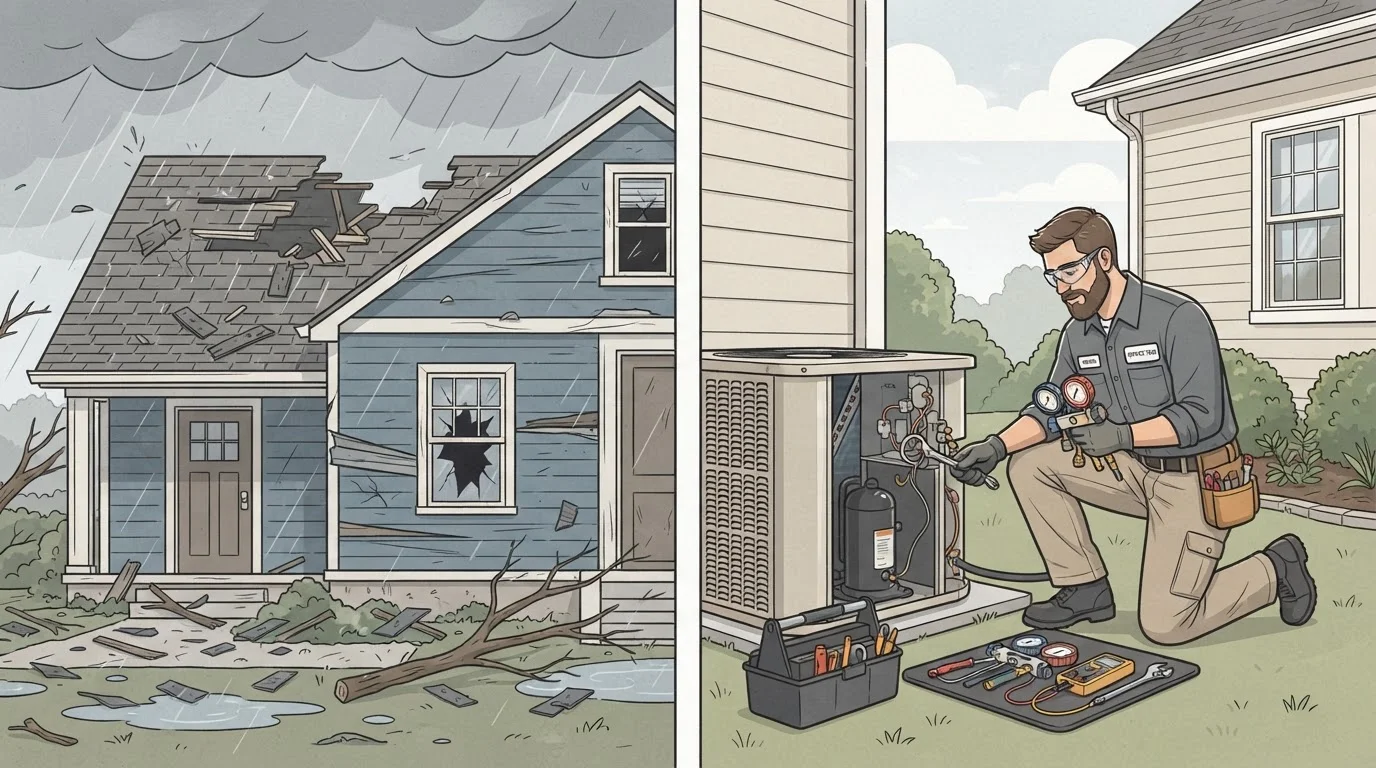
Photo credit: Glowwwatch.com
In this article
These two products often get confused. One protects against sudden disasters; the other covers system breakdowns. Understand the difference before you need either.
Key Takeaways
- Homeowner's insurance covers sudden, accidental damage like fire, storms, and theft — not mechanical failure.
- A home warranty is a service contract that covers system and appliance breakdowns from normal wear and tear.
- Most mortgage lenders require homeowner's insurance; home warranties are always optional.
- Neither product covers everything — both have significant exclusions that buyers must read carefully.
- Having both can make sense, but they are not interchangeable and one cannot substitute for the other.
What Each Product Is — and Isn't
Homeowner's insurance and home warranties are two entirely separate financial products that serve very different purposes. Confusing them — or assuming one replaces the other — is a common and costly mistake for new homeowners.
Homeowner's insurance is a true insurance policy, regulated by state insurance commissioners. You pay a premium, and in exchange the insurer agrees to cover financial losses caused by specific sudden and accidental events: fire, windstorm, hail, lightning, theft, vandalism, and certain water damage, among others. Most policies also include personal liability coverage if someone is injured on your property.
A home warranty is not insurance at all. It is a service contract — an agreement with a private company that, in exchange for an annual fee, will arrange and partially cover the cost of repairing or replacing covered systems and appliances when they break down from normal wear and tear. Think HVAC units, water heaters, electrical panels, plumbing, refrigerators, and dishwashers.
The clearest way to remember the distinction: insurance kicks in when something bad happens to your home; a warranty kicks in when something inside your home simply wears out.
Renters Have a Different Version of This Question
If you rent rather than own, neither of these products applies to you in the same way. Your landlord is responsible for the structure and major systems. What you need is renter's insurance, which protects your personal belongings and provides liability coverage. See our overview of renter's insurance demystified for details on what that covers and why it matters.
Coverage Compared: What Each One Actually Pays For
Understanding the specific coverage each product provides — and where it stops — is essential before you need to file a claim.
| Criterion | Homeowner's Insurance | Home Warranty |
|---|---|---|
| What it covers | Sudden damage: fire, storm, theft, liability | Wear-and-tear system and appliance failure |
| What it excludes | Wear and tear, flood, earthquake (typically) | Pre-existing conditions, improper installation, cosmetic damage |
| Required by lender? | Yes, for mortgaged homes | Never required |
| Regulated as | Insurance (state-regulated) | Service contract (varies by state) |
| Typical annual cost | $1,000–$2,500 depending on home and location | $400–$900 plus service call fees per visit |
| Who arranges repairs? | You choose the contractor; insurer reimburses | Warranty company dispatches their network contractor |
| Covers the structure? | Yes | No |
| Covers appliances? | Only if damaged by a covered peril | Yes, for covered items listed in contract |
Homeowner's insurance policies are typically structured around three main coverage areas: dwelling coverage (the structure itself), personal property coverage (your belongings), and liability coverage. Standard policies, often called HO-3 policies, cover the structure on an open-perils basis — meaning all causes of damage are covered unless specifically excluded.
Notable exclusions in most standard policies include flooding (requires a separate flood insurance policy), earthquakes (requires separate coverage in most states), and routine maintenance failures. If your roof leaks because it was never maintained, insurance will likely deny the claim. If it collapses under the weight of an ice storm, you're typically covered.
Home warranties, meanwhile, pay a contractor — one the warranty company selects, not one you choose — to diagnose and repair covered items. You typically pay a service call fee (often $75–$150 per visit) regardless of the repair's total cost. Coverage is limited to items named in the contract, and most contracts exclude pre-existing conditions, improper installation, and cosmetic damage. Reading the fine print matters enormously.
For broader context on protecting yourself financially against home-related costs, see our guide on building an emergency fund specifically for your home.
Which One Do You Actually Need?
Homeowner's insurance is rarely optional. If you carry a mortgage, your lender will require it as a condition of the loan. Even if you own your home outright, going without insurance means a single fire or severe storm could result in a total financial loss with no recourse.
A home warranty is always optional, and whether it's worth the cost depends on your specific situation. Key questions to ask yourself:
- How old are your major systems and appliances? Systems past their median lifespan — typically 15–20 years for HVAC, 8–12 years for water heaters — are more likely to fail.
- Can you cover a $3,000–$5,000 repair out of pocket? If so, a warranty may offer less value than building your own repair reserve.
- How comfortable are you coordinating repairs? A warranty handles contractor dispatch, which some homeowners find valuable.
Some home sales include a one-year home warranty as part of the transaction. If yours does, take time to read what it actually covers before deciding whether to renew it afterward.
It's also worth noting that home warranties share a structural similarity with extended service contracts in other contexts — if you've navigated extended warranties and service contracts for car maintenance, many of the same evaluative principles apply here.
For a full picture of what homeowners should plan to handle themselves versus when to call a professional, see home maintenance tasks worth doing yourself — and ones that aren't.
This article is for general informational purposes only and does not constitute legal, financial, or insurance advice. Coverage terms, exclusions, and regulations vary by state and individual policy. Consult a licensed insurance professional to evaluate the options appropriate for your specific situation.

Author
Real Estate Editorial Team
Real Estate Editorial Team is the collective byline for our editorial team and contributor network. Articles published under this byline or an editorial pen name are researched, written, and reviewed according to our editorial standards for clarity, consistency, and independence before publication.
View all articles →