
The Gut-Brain Connection: What Your Digestive Health Has to Do With Your Mood
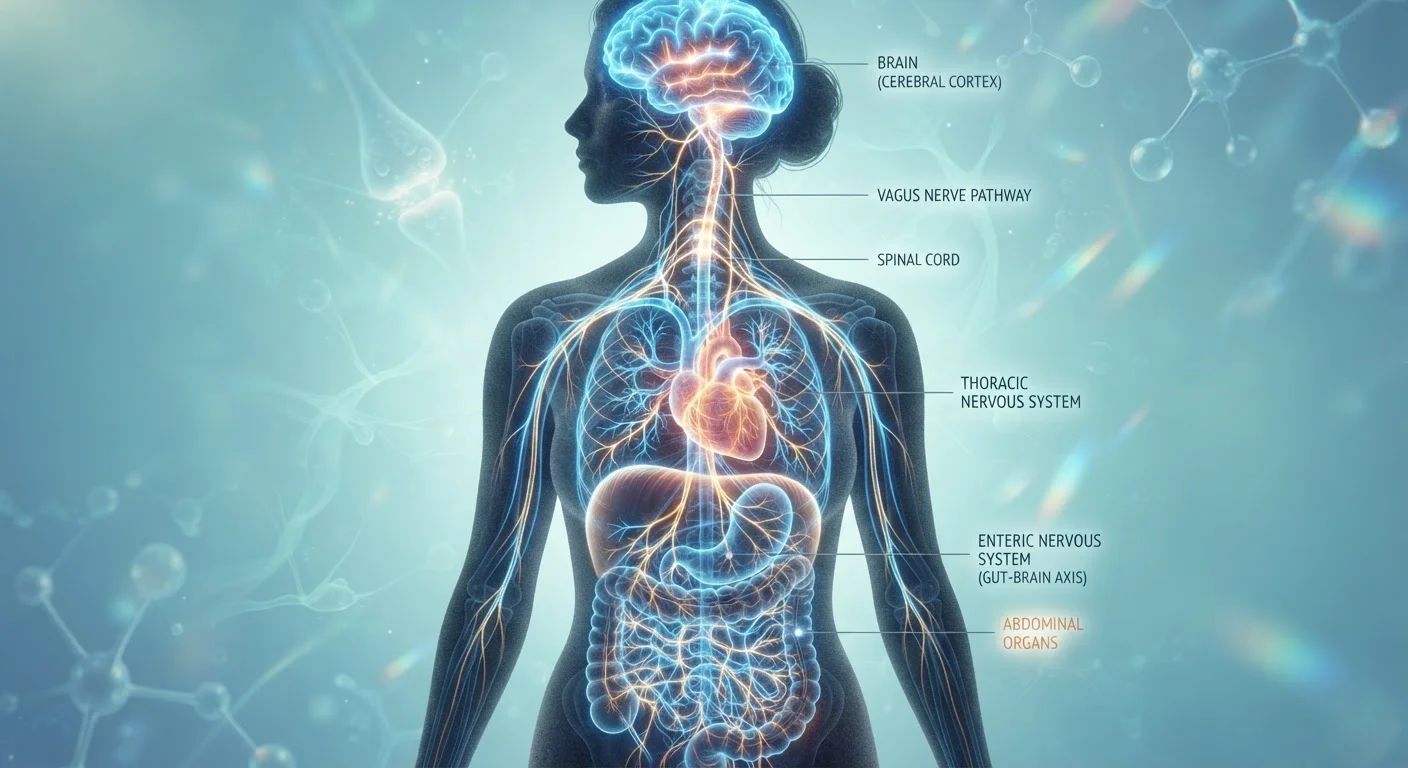
Photo credit: Glowwwatch.com
In this article
Research into the gut-brain axis is reshaping how scientists think about mental wellbeing. Here's what the evidence shows so far.
Key Takeaways
- Your gut and brain communicate constantly through nerves, hormones, and immune signals.
- The gut produces most of the body's serotonin, linking digestive health directly to mood.
- A diverse diet rich in fiber and fermented foods may support a healthier gut microbiome.
- Chronic stress can disrupt gut function, and gut disruption can amplify stress responses.
- Small, sustainable habits — not dramatic overhauls — are what the research most consistently supports.
How the Gut and Brain Talk to Each Other
The idea that your stomach and your brain are in constant conversation may sound surprising, but it is well established in neuroscience. The gut-brain axis operates through three main channels: the nervous system (especially the vagus nerve), the endocrine system (hormones), and the immune system (inflammatory signals).
The vagus nerve acts like a broadband cable between your brainstem and your gastrointestinal tract, and research suggests that the majority of signals travel upward — from gut to brain — rather than the other way around. This means your digestive system is not just passively following orders from your brain; it is actively shaping your mental experience.
The gut also houses what scientists call the enteric nervous system — a vast web of more than 100 million nerve cells lining the gastrointestinal tract. This system can operate independently of the brain, which is why it has earned the nickname the 'second brain.' Understanding this helps explain why digestive problems so often accompany anxiety, and why stress so reliably unsettles the stomach. For a broader look at how stress affects the body, see how chronic stress affects physical health.
The Microbiome's Role in Mood
Living inside your digestive tract are trillions of microorganisms — bacteria, fungi, and viruses — collectively known as the gut microbiome. These microbes do far more than help break down food. They produce neurotransmitters, regulate inflammation, and interact directly with the nervous system.
Notably, gut bacteria are responsible for producing the majority of the body's serotonin — a chemical messenger closely tied to feelings of wellbeing and emotional stability. Disruptions to the microbiome, sometimes called dysbiosis, have been associated in research with higher rates of anxiety and depression, though scientists are still working to understand the direction of that relationship.
~90%
Of the body's serotonin produced in the gut
Research published in peer-reviewed neuroscience literature estimates that approximately 90% of the body's serotonin is synthesized in the gastrointestinal tract, not the brain.
100M+
Nerve cells in the enteric nervous system
The enteric nervous system — embedded in the gut wall — contains more than 100 million neurons, rivaling the complexity of the spinal cord, according to gastroenterological research.
38T
Estimated microbial cells in the human gut
A widely cited estimate in microbiology research suggests the human gut hosts roughly 38 trillion microbial cells, outnumbering human cells on a near one-to-one basis.
Microbiome diversity — having a wide variety of microbial species — is generally considered a positive marker. Diets low in fiber and high in ultra-processed foods tend to reduce this diversity over time, while varied, plant-forward eating patterns are associated with richer microbial communities. That said, the science of the microbiome is still maturing, and individual results vary considerably.
Practical Habits That Support Both Gut and Mental Health
You do not need to overhaul your lifestyle to support the gut-brain connection. A handful of consistent, evidence-grounded habits can make a meaningful difference over time.
- Eat more fiber: Vegetables, legumes, whole grains, and fruit feed beneficial gut bacteria. Most Americans fall well short of recommended fiber intake.
- Include fermented foods: Yogurt, kefir, kimchi, and sauerkraut contain live cultures that may support microbiome health. Look for products with active cultures listed on the label.
- Manage stress actively: Because stress and gut function are tightly linked, practices like regular movement, adequate sleep, and mindfulness can help both systems. These same habits appear in research on daily habits linked to better mental wellbeing.
- Limit ultra-processed foods: These are associated with reduced microbiome diversity and higher systemic inflammation — both of which may negatively affect mood.
- Stay hydrated: Adequate water intake supports normal digestive motility and overall gut function.
Start Small for Lasting Change
Research on habit formation suggests that small, consistent changes are more sustainable than dramatic dietary overhauls. Try adding one extra serving of vegetables per day or incorporating a fermented food a few times per week before attempting larger shifts. Sustainable change is more valuable to gut health than short-term intensity.
For context on common nutrition claims around gut health, it is worth reading about widely repeated nutrition myths — including the persistent idea that detox cleanses 'reset' your gut.
This article is for general informational and educational purposes only and is not a substitute for professional medical advice, diagnosis, or treatment. Always consult a qualified healthcare provider with questions about your health.
Frequently Asked Questions

Author
Health & Wellness Editorial Team
Health & Wellness Editorial Team is the collective byline for our editorial team and contributor network. Articles published under this byline or an editorial pen name are researched, written, and reviewed according to our editorial standards for clarity, consistency, and independence before publication.
View all articles →