
Stress and Physical Health: Understanding the Body's Long-Term Response
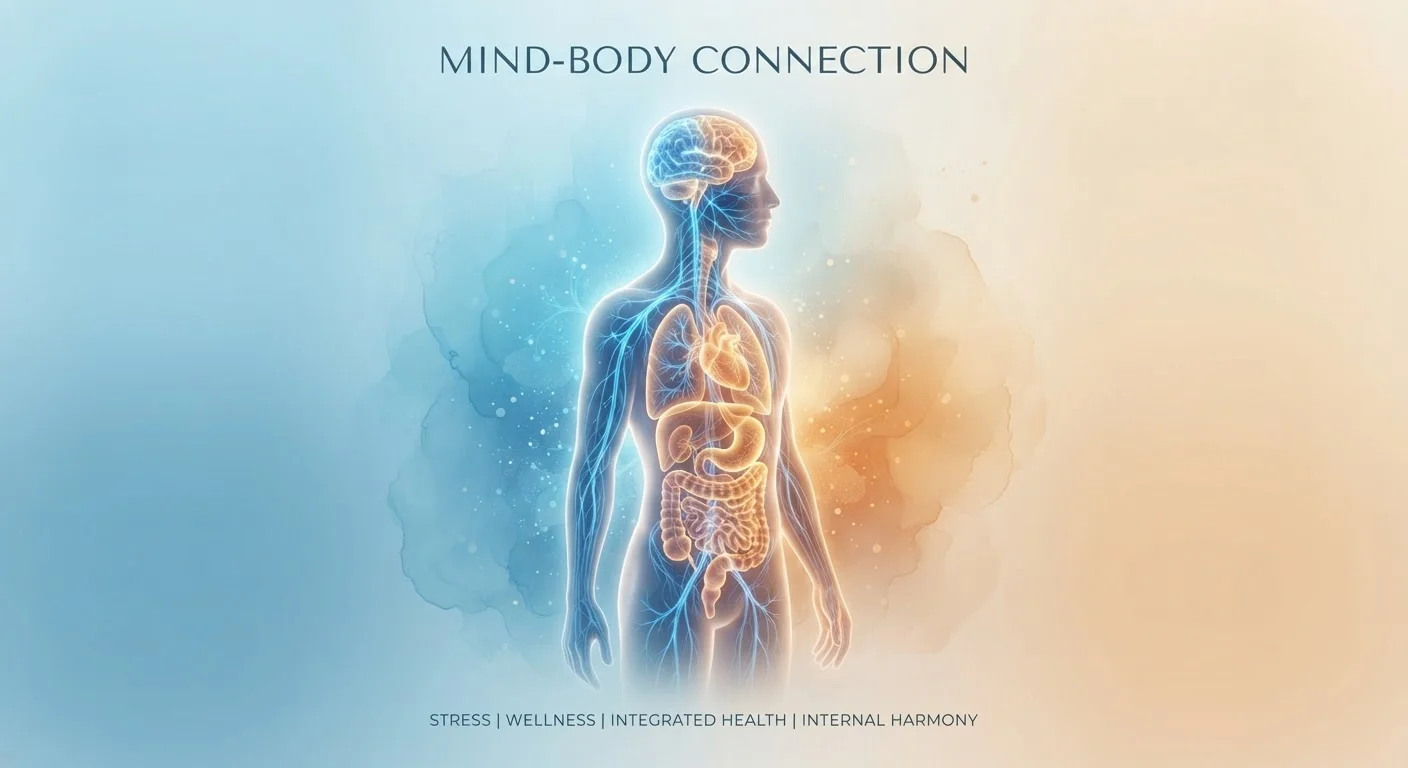
Photo credit: Glowwwatch.com
In this article
Chronic stress touches nearly every body system. This explainer breaks down the physiological pathways and why managing stress matters.
Key Takeaways
- Chronic stress keeps the body's fight-or-flight system switched on, which disrupts normal organ function over time.
- Elevated cortisol is linked to increased cardiovascular risk, weakened immunity, and digestive problems.
- The brain is also affected — chronic stress can impair memory and contribute to mood disorders.
- Small, consistent habits such as regular movement, better sleep, and social connection have evidence behind them for reducing stress load.
- This article is general health information — consult a healthcare professional about your personal situation.
What Happens in the Body When Stress Persists
When you encounter a threat — real or perceived — your nervous system triggers the fight-or-flight response. The adrenal glands flood the bloodstream with cortisol and adrenaline, heart rate rises, muscles tighten, and digestion temporarily slows. This cascade is well-designed for short bursts: survive the threat, then return to baseline.
The problem is that the body does not always get that return signal. Work pressure, financial worry, relationship strain, or ongoing health concerns can keep the alarm system running continuously. When cortisol levels stay elevated for extended periods, the same mechanisms that are helpful in a crisis begin to work against normal body function.
Researchers studying the hypothalamic-pituitary-adrenal (HPA) axis — the system that governs cortisol release — have found that its prolonged activation is associated with disrupted sleep, elevated blood pressure, and changes in how the body regulates blood sugar. For readers interested in how the brain and body communicate in related ways, the gut-brain connection offers a complementary look at these pathways.
“Stress is not simply a psychological experience — it is a whole-body event. The mind and body are not separate systems, and what persists in one will eventually manifest in the other.”
— Robert Sapolsky, Neuroendocrinologist and author of 'Why Zebras Don't Get Ulcers'
Systems Most Affected by Prolonged Stress
Chronic stress touches nearly every major body system, though some show the effects more visibly than others.
- Cardiovascular system: Sustained high cortisol contributes to elevated blood pressure and increased heart rate. Over time, this raises the workload on the heart and is associated in research with a higher risk of hypertension and related complications.
- Immune system: Cortisol is naturally anti-inflammatory in short doses, but chronic elevation suppresses immune cell activity, making the body less efficient at fighting infections and healing.
- Digestive system: The gut has its own nervous system — the enteric nervous system — which is sensitive to stress signals. Chronic stress is linked to conditions such as irritable bowel syndrome (IBS) and can alter gut microbiome composition.
- Brain and cognition: Prolonged high cortisol is associated with shrinkage of the hippocampus, a brain region central to memory and learning. Chronic stress is also a recognized risk factor for depression and anxiety disorders.
- Musculoskeletal system: Persistent muscle tension from ongoing stress can contribute to chronic pain, particularly in the neck, shoulders, and lower back.
77%
Adults reporting physical stress symptoms
According to the American Psychological Association's Stress in America surveys, a large majority of US adults report experiencing physical symptoms they attribute to stress.
2–3×
Elevated cardiovascular risk linked to chronic stress
Multiple epidemiological studies have found that chronically high work-related stress is associated with a roughly two-to-threefold increase in cardiovascular event risk compared to low-stress controls.
40%
Immune response reduction under sustained stress
Meta-analyses in psychoneuroimmunology research suggest that chronic psychological stress can reduce aspects of immune cell activity by roughly 40% compared to non-stressed states.
Practical Habits That Reduce the Stress Load
The science on stress management has matured considerably. Several habits carry solid evidence without requiring a complete lifestyle overhaul.
Regular Physical Movement
Moderate-intensity exercise — such as brisk walking, swimming, or cycling — helps metabolize circulating stress hormones and supports better sleep architecture. The benefit appears to come from consistency rather than high intensity. For a broader look at daily habits linked to psychological health, see what research points to about daily habits and mental wellbeing.
Sleep as a Regulatory Tool
Sleep is when the body clears metabolic waste from the brain and resets cortisol rhythms. Chronic sleep restriction amplifies HPA axis reactivity, creating a feedback loop where stress disrupts sleep and poor sleep worsens the stress response. Protecting consistent sleep and wake times is one of the higher-leverage interventions in the literature.
Social Connection and Perceived Support
Research on social buffering — the phenomenon where the presence of supportive relationships reduces physiological stress responses — suggests that perceived social support measurably dampens cortisol output. This does not require large social networks; a few dependable relationships appear to confer the benefit.
Mindfulness and Breathing Practices
Slow, deliberate breathing activates the parasympathetic nervous system, which is essentially the body's counterbalance to the fight-or-flight response. Mindfulness-based stress reduction (MBSR) programs have been studied in clinical settings and show reductions in self-reported stress and some inflammatory markers. These practices are not a substitute for professional care when stress is severe, but they are accessible and low-risk starting points.
Start Small to Build Lasting Habits
You do not need a dramatic lifestyle change to begin reducing your chronic stress load. Research on habit formation suggests that small, consistent actions — a ten-minute walk, a fixed bedtime, or a brief breathing exercise — are more sustainable than sweeping overhauls. Stack a new stress-reducing habit onto something you already do reliably each day to make it easier to maintain.
Understanding how stress and anxiety differ conceptually can also sharpen how you respond to each. The article on stress, anxiety, and worry explains where these experiences diverge.
This article is for general informational and educational purposes only and is not a substitute for professional medical advice, diagnosis, or treatment. Always consult a qualified healthcare provider regarding any health concerns or before making changes to your health routine.
Frequently Asked Questions

Author
Health & Wellness Editorial Team
Health & Wellness Editorial Team is the collective byline for our editorial team and contributor network. Articles published under this byline or an editorial pen name are researched, written, and reviewed according to our editorial standards for clarity, consistency, and independence before publication.
View all articles →