
Things That Change the Flavor of Your Coffee Before You Even Brew It
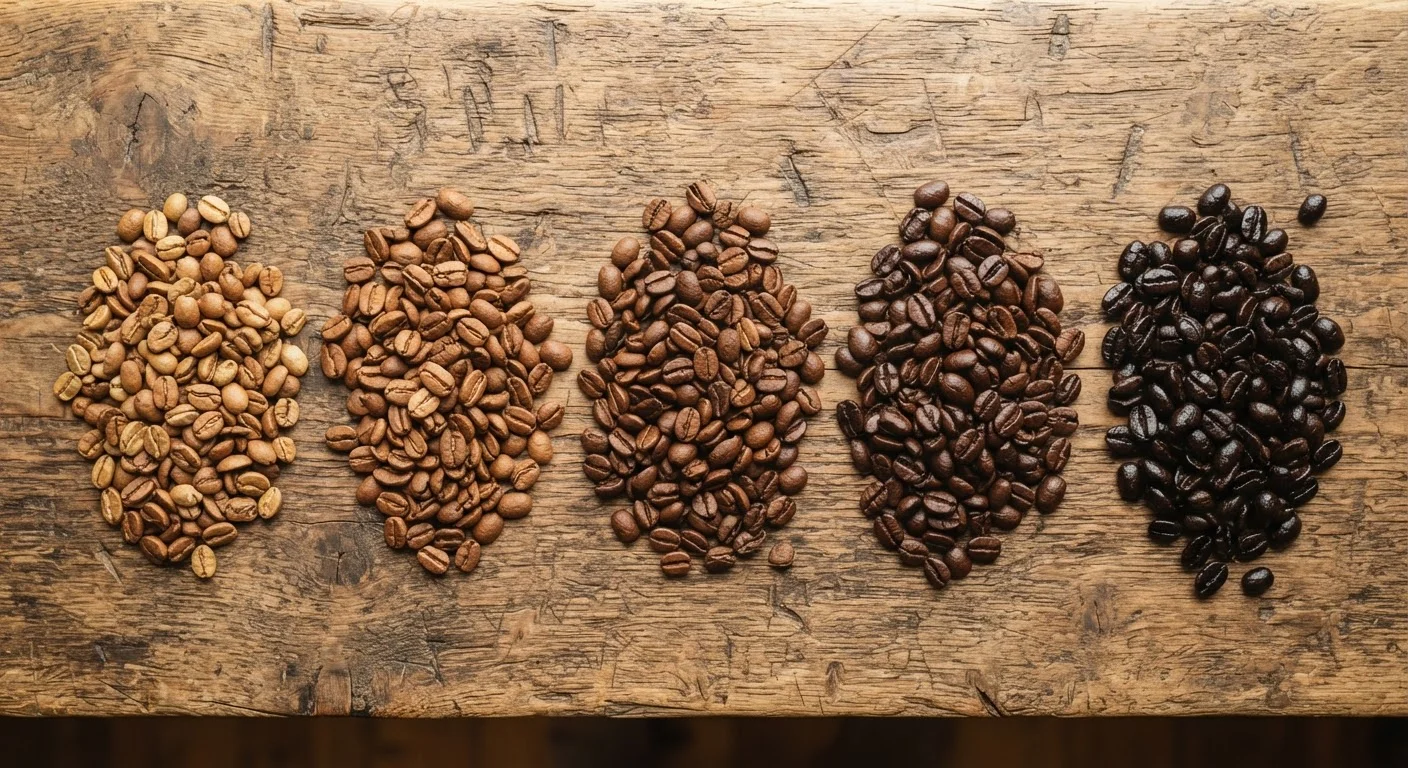
Photo credit: Glowwwatch.com
Roast level, origin, processing method, grind size — learn how choices made before the kettle boils shape what ends up in your cup.
Key Takeaways
- The country and region where coffee is grown contributes distinct, natural flavor characteristics to every cup.
- Post-harvest processing methods — washed, natural, or honey — fundamentally alter the bean's taste profile before roasting.
- Roast level changes which flavors are amplified and which are muted, from bright acids to deep, bitter notes.
- Grind size affects how quickly water extracts flavor compounds, making it one of the most adjustable variables at home.
- How you store coffee beans after purchase can quietly degrade flavor even before the first brew.
Why the Cup Starts Long Before the Kettle
Most coffee drinkers focus on brew method — the pour, the temperature, the timing. Those things matter. But a surprising number of flavor decisions are locked in well before you fill the kettle. Origin, processing, roast, grind, and storage all shape what ends up in your cup, sometimes dramatically.
Understanding these upstream variables gives you real leverage. Instead of guessing why one bag tastes flat while another sings, you can trace the flavor back to its source. If you want to sharpen that kind of sensory awareness across beverages and food, our guide on developing your palate through tasting applies just as well to coffee as it does to cooking.
Below are the key factors that shape coffee flavor before a single drop of water is involved.
Growing Region and Altitude
Coffee plants absorb characteristics from their environment — a concept sometimes called terroir, borrowed from winemaking. Beans grown at high altitudes in Ethiopia tend to produce floral, fruity, and complex flavors because cooler temperatures slow the cherry's maturation, concentrating sugars and acids. Beans from lower-altitude regions in Brazil often yield nuttier, chocolatey, and less acidic profiles.
Within a single country, micro-regions produce meaningfully different cups. A coffee from Yirgacheffe in Ethiopia tastes distinctly different from one grown in Sidama, even though they share the same country of origin. When buying coffee, the growing region printed on a bag is one of the most reliable flavor signals available.
Altitude and geography shape coffee's natural flavor before any human processing begins.
Post-Harvest Processing Method
After coffee cherries are harvested, the seed — the bean — must be separated from its fruit. How that separation happens has a major impact on flavor. The three most common methods are:
- Washed (wet) process: The fruit is removed before drying, producing cleaner, brighter, more acidic cups where the bean's origin character is front and center.
- Natural (dry) process: Whole cherries are dried with the fruit intact. This imparts wine-like, fruity, and sometimes fermented complexity directly into the bean.
- Honey process: A middle path — some fruit mucilage is left on during drying, producing a balance of sweetness and clarity.
If two bags come from the same farm but use different processing methods, they can taste like entirely different coffees. Our article on how decaffeination methods affect flavor explores a similar concept — how post-harvest handling changes what ends up in the cup.
Natural processing can make a coffee taste fruity and wine-like; washed processing keeps it clean and bright.
Roast Level
Roasting transforms green, grassy-smelling seeds into the aromatic brown beans we recognize. Heat drives a cascade of chemical reactions — caramelization, the Maillard reaction — that develop hundreds of flavor and aroma compounds. Roast level determines which of those compounds dominate.
- Light roasts preserve the bean's original characteristics: more acidity, floral or fruit-forward notes, and higher perceived brightness.
- Medium roasts balance origin character with developed sweetness and body.
- Dark roasts emphasize roast-driven flavors — bittersweet chocolate, smoke, and low acidity — often at the expense of origin nuance.
Neither end of the spectrum is superior; they suit different preferences and brew methods. What matters is knowing that roast level is a deliberate flavor choice, not just a measure of strength.
Roast level is a deliberate flavor decision, not just a measure of coffee strength.
Grind Size
Grinding coffee exposes the bean's interior surface to water. The size of those particles controls how fast and how evenly water extracts flavor compounds — a process called extraction. Get it wrong, and the result is imbalanced regardless of bean quality.
- Too coarse: Water moves through quickly, extracting mainly the sour, acidic compounds and leaving the sweeter ones behind. The result tastes thin and underextracted.
- Too fine: Water lingers too long, pulling bitter, astringent compounds in addition to the desirable ones. The result tastes harsh and overextracted.
Different brew methods require different grind sizes — espresso needs fine, French press needs coarse, and pour-over sits somewhere in between. Matching grind to method is one of the most immediate ways to improve your cup at home without changing your beans.
Matching grind size to your brew method is one of the fastest ways to improve your cup at home.
Storage Conditions After Purchase
Even high-quality, freshly roasted beans degrade quickly when exposed to the wrong conditions. Four main enemies accelerate flavor loss: oxygen, moisture, heat, and light. Oxidation goes to work the moment a bag is opened, turning oils stale and dulling aromatic compounds.
Practical storage guidance:
- Keep beans in an airtight, opaque container at room temperature — not in the refrigerator, where moisture and absorb-prone environments accelerate off-flavors.
- Avoid storing near the stove, a window, or any heat source. Our article on drink storage details that are easy to overlook covers this kind of quiet flavor damage in more depth.
- Buy in smaller quantities more frequently rather than stocking up. Freshness has a direct impact on flavor that no brew technique can fully compensate for.
Oxygen, heat, moisture, and light can ruin excellent beans within days of opening the bag.
Putting It All Together
Each of these variables — origin, processing, roast, grind, and storage — stacks on top of the others. A beautifully processed Ethiopian natural roasted too dark will lose its fruit character. A perfectly stored light roast ground too coarsely will taste thin and underextracted. The best cup comes from understanding the chain, not optimizing just one link.
Start With One Variable at a Time
If you want to understand how each factor shapes your cup, change only one thing per brew session — try the same beans at two different grind sizes, or compare a washed vs. natural processed coffee from the same region. Isolating variables makes the differences much easier to detect and remember.
For a deeper look at what's happening chemically once the coffee is in your cup, see what's actually in your morning coffee. And if you want to decode the terminology your local café uses to describe these variables, the language of coffee shop menus, decoded is a useful companion.

Author
Food & Drinks Editorial Team
Food & Drinks Editorial Team is the collective byline for our editorial team and contributor network. Articles published under this byline or an editorial pen name are researched, written, and reviewed according to our editorial standards for clarity, consistency, and independence before publication.
View all articles →