
The Language of Coffee Shop Menus, Decoded
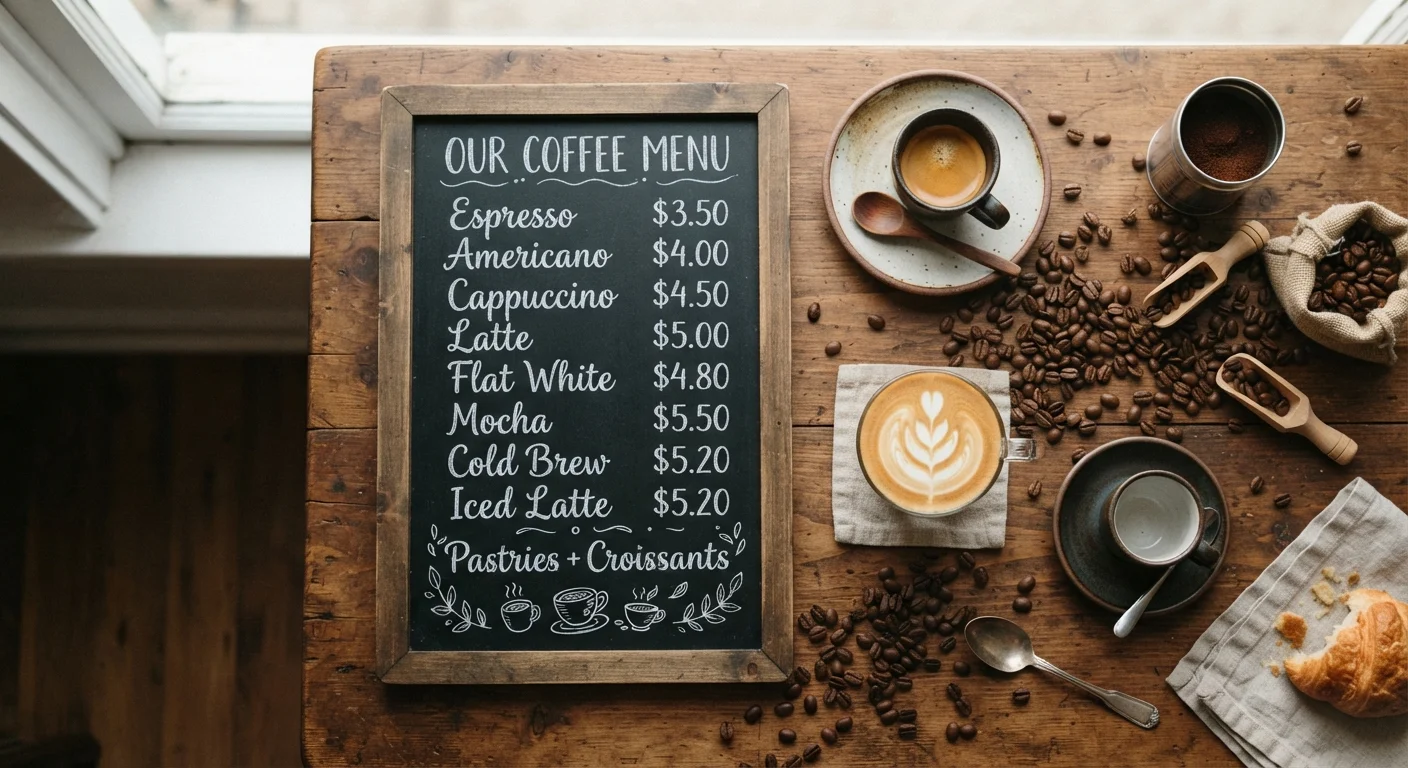
Photo credit: Glowwwatch.com
In this article
Ristretto, cortado, macchiato, pourover — a quick-reference glossary of common café terms and what they actually describe.
Why Coffee Menus Feel Like a Foreign Language
You walk up to a café counter, scan a handwritten chalkboard, and suddenly feel like you need a translator. Ristretto. Cortado. Flat white. Pourover. These are real drinks with meaningful differences — but without a baseline, it's easy to guess, order wrong, and end up with something unexpected.
This guide decodes the most common terms you'll encounter at specialty and chain coffee shops alike. Whether you're curious about the difference between a macchiato and a latte, or you've always wondered what single origin actually means on a menu, the definitions below give you a reliable reference. Understanding what's in your cup starts well before you take a sip — roast level, grind size, and processing method all shape the flavor before any brewing begins.
| Espresso shot volume | ~1 oz (single) / ~2 oz (double) (Specialty Coffee Association standard) |
| Latte milk-to-espresso ratio | Roughly 6:1 milk to espresso |
| Cold brew steep time | 12–24 hours |
| Cappuccino composition | ⅓ espresso, ⅓ steamed milk, ⅓ foam (Traditional Italian standard) |
| Ristretto water volume | About half that of a standard espresso |
| Nitro cold brew gas | Nitrogen (N₂) |
Espresso-Based Drinks, Defined
Most café drinks are built on a foundation of espresso — a small, concentrated shot brewed by forcing hot water through finely ground coffee under pressure. Here's how common espresso drinks differ:
- Ristretto: A shorter, more concentrated espresso pull using the same grounds but less water. The result is a sweeter, more intense shot with less bitterness.
- Lungo: The opposite of a ristretto — more water is pushed through, producing a longer, slightly more bitter shot.
- Macchiato (espresso): A shot of espresso stained (the Italian word means just that) with a small dollop of steamed milk foam. Small and strong.
- Cortado: Equal parts espresso and warm, lightly steamed milk — typically served in a small 4-oz glass. Less foam than a latte, less intense than a straight espresso.
- Flat white: Similar to a cortado but uses a double ristretto shot and a thin layer of microfoam. Often served in a 5–6 oz cup.
- Cappuccino: Traditionally one-third espresso, one-third steamed milk, one-third dense foam — served in a 5–6 oz cup.
- Latte: A double espresso shot with considerably more steamed milk and a light layer of foam, typically in an 8–12 oz cup. The mildest espresso drink in concentration.
- Americano: Espresso diluted with hot water to approximate drip coffee strength, without the milk.
Espresso
A small (roughly 1 oz) concentrated coffee beverage brewed by pushing hot water under pressure through finely ground coffee. It serves as the base for most café drinks.
Ristretto
A shorter espresso pull made with less water than a standard shot, producing a sweeter, more concentrated flavor with reduced bitterness.
Microfoam
Milk steamed to a smooth, glossy texture with tiny, uniform bubbles. It integrates seamlessly into espresso-based drinks and allows baristas to create latte art.
Cortado
A Spanish-origin drink made with equal parts espresso and lightly steamed milk, served in a small glass. It softens espresso's intensity without adding significant foam.
Cold Brew
Coffee made by steeping grounds in cold or room-temperature water for 12–24 hours and then filtering. The process produces a smooth, low-acid concentrate typically served diluted over ice.
Single Origin
Coffee sourced from a single country, region, or specific farm rather than blended from multiple sources, allowing distinct regional flavors to shine through.
Pourover
A manual brewing method in which hot water is poured in a controlled stream over grounds in a filter, yielding a clean, nuanced cup that highlights the coffee's origin characteristics.
Flat White
A small espresso drink made with a double ristretto and a thin layer of velvety microfoam. It is stronger in coffee-to-milk ratio than a latte and typically served in a 5–6 oz cup.
Brew Methods and Menu Labels Explained
Beyond espresso, cafés often serve drinks brewed by other methods. Knowing these terms helps you choose based on the experience you want.
- Pourover: Hot water is poured slowly and deliberately over ground coffee in a filter, producing a clean, bright cup that highlights origin flavors. Common vessels include the V60, Chemex, and Kalita Wave.
- French press: Coarsely ground coffee steeps in hot water before a metal plunger separates grounds from liquid. Fuller-bodied and richer than filtered methods.
- Cold brew: Coffee grounds steep in cold or room-temperature water for 12–24 hours, producing a low-acid, smooth concentrate typically diluted before serving. Different from iced coffee, which is hot-brewed coffee poured over ice.
- Nitro cold brew: Cold brew infused with nitrogen gas and served on tap. The result is a creamy, cascading drink with a foamy head — no dairy required.
- Single origin: Coffee sourced from one specific country, region, or farm, rather than blended from multiple sources. Often chosen to highlight distinct regional flavor profiles.
Curious about the chemistry behind your daily cup? What's actually in your morning coffee breaks down caffeine, acids, and other compounds in plain language.
Milk, Foam, and Other Menu Modifiers
Many drinks can be customized with modifiers that change texture, temperature, or intensity. Here's what to expect when you see these terms:
- Microfoam: Milk that has been steamed to a silky, velvety texture with very fine bubbles — the standard for latte art and flat whites.
- Dry: When applied to a cappuccino, it means more foam and less steamed milk.
- Wet: More steamed milk, less foam — closer to a latte in texture.
- Double shot / double: Two espresso shots instead of one, roughly 2 oz of espresso total.
- Oat milk, almond milk, etc.: Plant-based milk alternatives. Oat milk steams closest to whole dairy milk and is popular for lattes.
- Syrup pumps: Flavored liquid sweeteners (vanilla, hazelnut, caramel) added by the pump — one pump is typically about 5–7 ml.
Once you know the language, navigating any café menu becomes straightforward. For a deeper look at how bean choices affect what ends up in your glass, see our guide to factors that shape coffee flavor before brewing.

Author
Food & Drinks Editorial Team
Food & Drinks Editorial Team is the collective byline for our editorial team and contributor network. Articles published under this byline or an editorial pen name are researched, written, and reviewed according to our editorial standards for clarity, consistency, and independence before publication.
View all articles →