
Energy Drinks: What the Ingredients List Is Actually Telling You
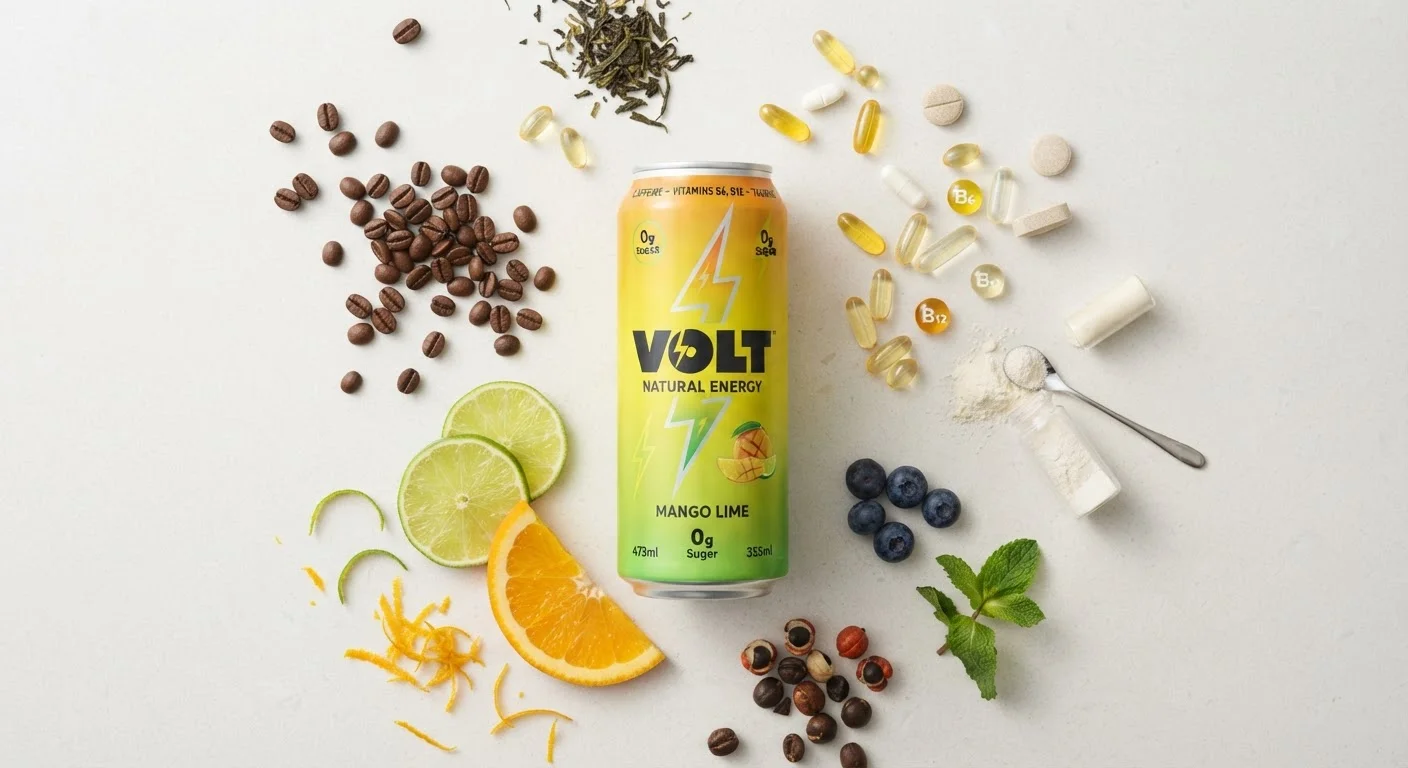
Photo credit: Glowwwatch.com
In this article
Taurine, B vitamins, guarana, and more — this breakdown explains what common energy drink ingredients are and what the research says about them.
Key Takeaways
- Caffeine is the primary active ingredient in nearly every energy drink and has the strongest research support for alertness.
- Taurine and B vitamins appear in large doses on labels but are not proven to enhance energy independently.
- Guarana is a plant-based caffeine source — its presence means total caffeine may be higher than the label's stated amount.
- Many energy drinks contain significant added sugar; sugar-free versions substitute artificial or non-nutritive sweeteners.
- Mixing energy drinks with alcohol or consuming very high doses of caffeine carries documented health risks.
- Individual responses to these ingredients vary — those who are pregnant, have heart conditions, or are sensitive to caffeine should consult a healthcare professional.
Caffeine: The Ingredient Doing Most of the Work
Caffeine is the backbone of virtually every energy drink on the market. It works by blocking adenosine receptors in the brain — adenosine is a chemical that promotes sleepiness — resulting in increased alertness and reduced perception of fatigue. This mechanism is well established in scientific literature and is the main reason energy drinks feel effective.
Most mainstream energy drinks contain between 80 mg and 300 mg of caffeine per can. For context, a standard 8-oz cup of brewed coffee typically delivers 80–100 mg. Reading the label carefully matters: serving size is not always the full can. A 16-oz can listed with two servings at 100 mg each delivers 200 mg total if consumed at once.
Caffeine content can also be underreported when additional sources like guarana are present. Guarana seed extract contains naturally occurring caffeine, and manufacturers may list it separately from added synthetic caffeine, meaning the "total caffeine" figure on the label may not capture the full amount.
Caffeine Sensitivity Varies Significantly
How strongly someone responds to caffeine is influenced by genetics, body weight, tolerance built over time, and other medications or supplements. Two people drinking the same energy drink may have very different experiences. If you notice heart palpitations, anxiety, or difficulty sleeping after consuming energy drinks, those are signals worth discussing with a healthcare professional.
Taurine, B Vitamins, and the Supporting Cast
Beyond caffeine, energy drink labels are crowded with ingredients marketed as performance enhancers. Understanding what each one actually does — and what the evidence says — helps separate substance from marketing language.
Taurine
Taurine is a sulfur-containing amino acid found naturally in muscle tissue and the brain. It plays roles in regulating hydration and electrolyte balance within cells. Despite appearing in near-universal energy drink formulas at doses of 1,000 mg or more, research has not demonstrated that supplemental taurine provides a measurable energy or performance boost in people who are not deficient. It is considered safe at these levels by most regulatory assessments.
B Vitamins (B3, B6, B12)
B vitamins are essential for metabolism — they help the body convert carbohydrates and fats into usable fuel. Energy drinks frequently include niacin (B3), pyridoxine (B6), and cobalamin (B12), often at many times the recommended daily intake. However, taking more B vitamins than the body needs does not accelerate energy production. Excess water-soluble B vitamins are simply excreted. For individuals who are not deficient, the amounts in energy drinks offer little functional benefit beyond what a balanced diet already provides.
400 mg
Daily caffeine limit considered safe for healthy adults
According to the U.S. Food and Drug Administration, 400 mg of caffeine per day is the threshold generally regarded as safe for most healthy adults.
80–300 mg
Caffeine range per energy drink can
The caffeine content of widely available energy drinks varies considerably by product and serving size, making label reading essential for tracking intake.
25–40 g
Added sugar in a typical regular energy drink
A standard full-sugar energy drink can contain as much added sugar as many sodas, according to publicly available nutrition label data.
L-Carnitine and Other Amino Acids
Some formulas add L-carnitine, which helps transport fatty acids into cells for energy production. As with taurine, evidence that supplemental L-carnitine boosts energy or endurance in well-nourished adults is limited and inconsistent.
Sugar, Sweeteners, and What the Label Doesn't Say Out Loud
A standard energy drink can contain 25–40 grams of added sugar — roughly the equivalent of 6–10 teaspoons. That sugar contributes to the quick energy spike many consumers associate with these beverages, followed by the familiar dip as blood glucose normalizes. Understanding the difference between naturally occurring and added sugars on a nutrition label is covered in depth in our breakdown of natural vs. added sugar in drinks.
Sugar-free energy drinks swap sucrose or high-fructose corn syrup for non-nutritive sweeteners like sucralose, acesulfame potassium (ace-K), or erythritol. These provide sweetness without the caloric load. Their long-term effects are still an active area of nutritional research, and no strong consensus has emerged that they are harmful at typical consumption levels — nor that they are preferable in every respect.
Check the Full Caffeine Picture Before You Drink
When guarana, green tea extract, or yerba mate appear in the ingredients list alongside stated caffeine, treat these as additional caffeine sources. Add them to your running daily total from coffee, tea, and other beverages. Keeping overall daily caffeine under 400 mg is the general guidance for healthy adults from the FDA.
One item not prominently displayed on most labels: total caffeine from all sources combined. If both "caffeine" and "guarana extract" appear in the ingredients list, the total stimulant load is higher than the stated mg figure alone suggests. Consumers who are monitoring their caffeine intake should factor this in.
How Energy Drinks Compare to Other Caffeinated Beverages
Energy drinks occupy a distinct space among caffeinated beverages. Unlike coffee or tea, which are single-ingredient brews with a relatively straightforward compound profile, energy drinks are purpose-formulated products with multiple added ingredients — many at doses that would not occur naturally in food. Our plain-language guide to what's in your morning coffee illustrates how different a minimally processed beverage looks at the ingredient level.
Fermented drinks like kombucha present yet another contrast — their active compounds arise from biological processes rather than formulation. If you're curious how those differ, our overview of fermented drinks is a useful companion read.
The practical upshot: energy drinks can deliver meaningful alertness-boosting effects primarily through caffeine, but the surrounding ingredient matrix is more marketing architecture than proven synergy. Informed label reading — checking caffeine totals, identifying all stimulant sources, and noting sugar content — puts you in a better position to decide whether a given product fits your needs.
This article provides general nutritional education and is not medical advice. If you have a health condition, are pregnant, or are sensitive to caffeine or stimulants, consult a qualified healthcare professional before consuming energy drinks.
Frequently Asked Questions

Author
Food & Drinks Editorial Team
Food & Drinks Editorial Team is the collective byline for our editorial team and contributor network. Articles published under this byline or an editorial pen name are researched, written, and reviewed according to our editorial standards for clarity, consistency, and independence before publication.
View all articles →