
Decaf Coffee: How the Caffeine Is Removed and What Stays Behind
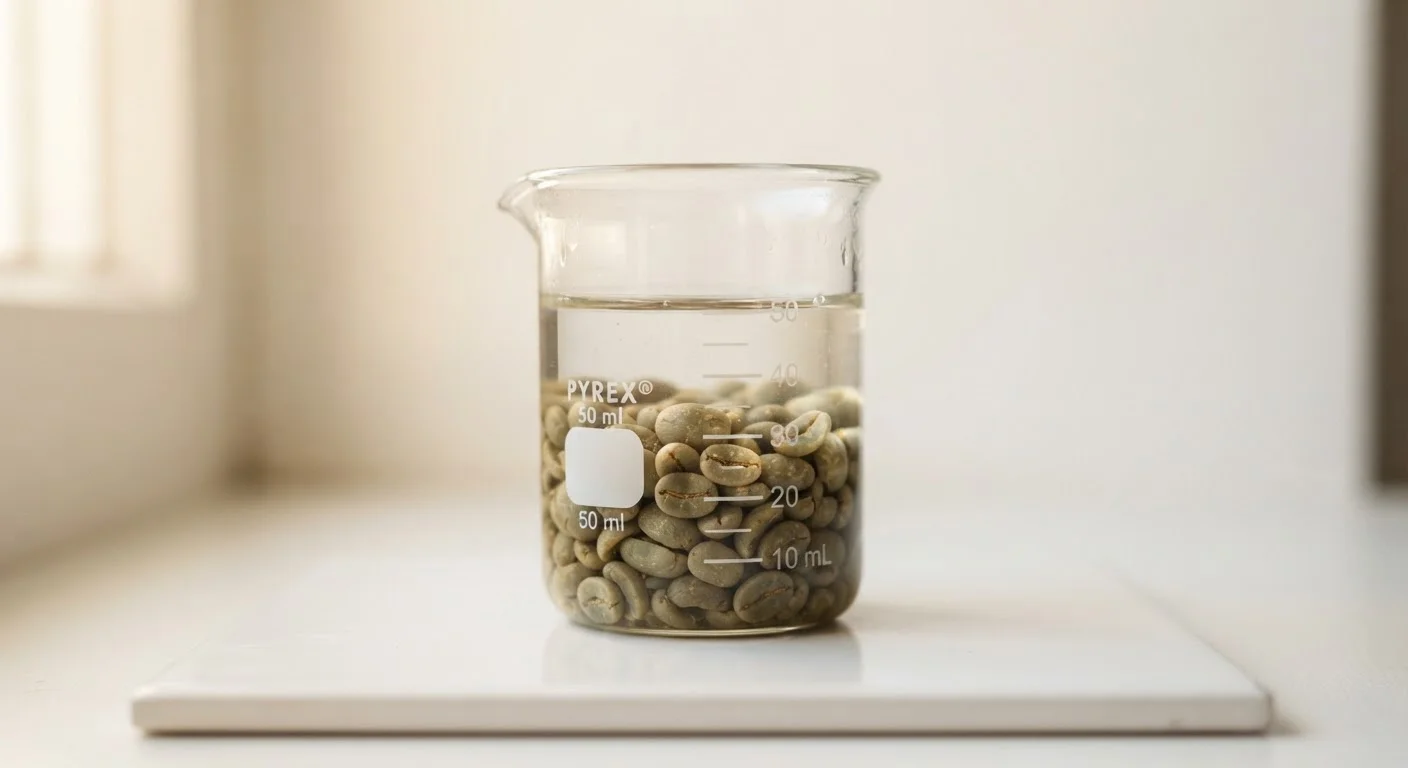
Photo credit: Glowwwatch.com
In this article
There are several methods for removing caffeine from coffee beans, and each affects flavor differently. Here's how they work.
Key Takeaways
- Caffeine is removed from green beans before roasting, using one of three main methods.
- No method removes 100% of caffeine — small amounts always remain.
- The Swiss Water Process uses no chemical solvents and is certified organic-compatible.
- Methylene chloride and ethyl acetate are the two chemical solvents most commonly used in decaffeination.
- Decaf coffee retains most of the same antioxidants found in regular coffee.
- The decaffeination method used can noticeably affect the flavor of the final cup.
Why Caffeine Has to Be Removed Before Roasting
Caffeine is a naturally occurring compound in coffee plants, where it serves as a natural pest deterrent. In the human body, it blocks adenosine receptors in the brain, which is what produces the familiar alertness effect. Some people — including those sensitive to caffeine, those managing certain health conditions, or those who simply prefer to enjoy coffee in the evening — look for an alternative that delivers the taste without most of the stimulant.
The key detail: decaffeination happens to green (unroasted) beans, not after brewing. Once a bean is roasted, its chemical structure is largely set. Working with green beans gives processors access to the caffeine before the complex flavor compounds develop, which is why the chosen method can meaningfully affect how the final roasted coffee tastes. For a broader look at how pre-roast decisions shape your cup, see how choices made before brewing shape flavor.
The Three Main Decaffeination Methods
1. Solvent-Based Methods
The most widely used commercial approach involves chemical solvents — most commonly methylene chloride (also called dichloromethane) or ethyl acetate. The beans are either soaked in the solvent directly (direct contact) or steamed open and then rinsed with water that has been treated with the solvent (indirect contact). The solvent binds selectively to caffeine molecules and draws them out of the bean.
After extraction, the beans are steamed at high temperatures, which evaporates the solvent residue. Roasting further reduces any trace amounts. Regulatory agencies including the FDA set limits on permissible residue levels, and commercial products are tested to stay well within them. Ethyl acetate is sometimes marketed as "natural" because it occurs in fruit fermentation, though the industrial version used in decaffeination is typically synthesized.
97%
Minimum caffeine removal required for 'decaf' labeling
Per U.S. FDA standards, a coffee must have at least 97% of its original caffeine removed to be sold as decaffeinated.
2–15 mg
Caffeine per typical decaf cup
Research published in the Journal of Analytical Toxicology found most decaf servings contain between 2 and 15 mg of caffeine, versus 80–100 mg in regular brewed coffee.
~80%
Antioxidants retained in decaf
Studies suggest decaf coffee retains a substantial portion of the chlorogenic acids found in regular coffee, with some variation depending on the decaffeination method used.
2. The Swiss Water Process
Developed in Switzerland and now primarily operated in Canada, this method uses no chemical solvents. Green beans are soaked in hot water, which draws out caffeine alongside flavor compounds. That water is then passed through activated charcoal filters sized to trap caffeine molecules while allowing the smaller flavor compounds to pass through. The resulting liquid — called green coffee extract (GCE) — is now caffeine-free but flavor-saturated. Fresh beans are soaked in this GCE, so caffeine migrates out (seeking equilibrium) while flavor compounds largely stay put.
The Swiss Water Process is certified organic-compatible and is popular with specialty roasters. It tends to be gentler on delicate flavor notes, though some roasters report a slight softening of brightness in certain origins.
3. Supercritical CO2 Method
The newest and most selective method uses carbon dioxide pressurized and heated to a "supercritical" state — where it behaves as both a liquid and a gas simultaneously. In this state, CO2 acts as a highly targeted solvent for caffeine while leaving most flavor compounds largely intact. The caffeine-laden CO2 is then depressurized, the caffeine precipitates out, and the CO2 is recycled.
CO2 decaffeination is considered the gold standard for flavor preservation, but the equipment required is expensive, making it less common and generally reserved for higher-end specialty coffees.
How to Read a Decaf Label
Look for the decaffeination method listed on the bag or packaging — specialty roasters often include this information. 'Swiss Water Process' means no chemical solvents were used. 'CO2 decaffeinated' indicates the supercritical carbon dioxide method. If no method is listed, solvent-based processing is most commonly used in mass-market products.
What Stays in the Cup
Removing caffeine does not strip coffee of everything that makes it worth drinking. Decaf coffee retains its antioxidant profile — particularly chlorogenic acids, which are a class of polyphenols associated in research with various health markers. Some studies suggest a modest reduction in certain antioxidants depending on the process, but decaf remains a nutritionally comparable beverage for most purposes.
Flavor is where the differences become more noticeable. Caffeine itself contributes a subtle bitterness to coffee's flavor profile, so decaf can taste marginally smoother to some palates. The decaffeination process, especially solvent-based methods, can also remove some volatile aromatic compounds alongside the caffeine, which can dull the complexity of high-quality single-origin beans. This is one reason specialty roasters tend to reach for Swiss Water or CO2 methods when working with premium lots.
It's also worth remembering that no method achieves complete caffeine removal. If you're curious about caffeine's broader effects and the science behind common claims, caffeine myths worth understanding is a useful companion read.
This article is for general informational purposes only and does not constitute medical advice. If you have specific health concerns about caffeine consumption, please consult a qualified healthcare professional.
Frequently Asked Questions

Author
Food & Drinks Editorial Team
Food & Drinks Editorial Team is the collective byline for our editorial team and contributor network. Articles published under this byline or an editorial pen name are researched, written, and reviewed according to our editorial standards for clarity, consistency, and independence before publication.
View all articles →