
Everything That Happens During Escrow
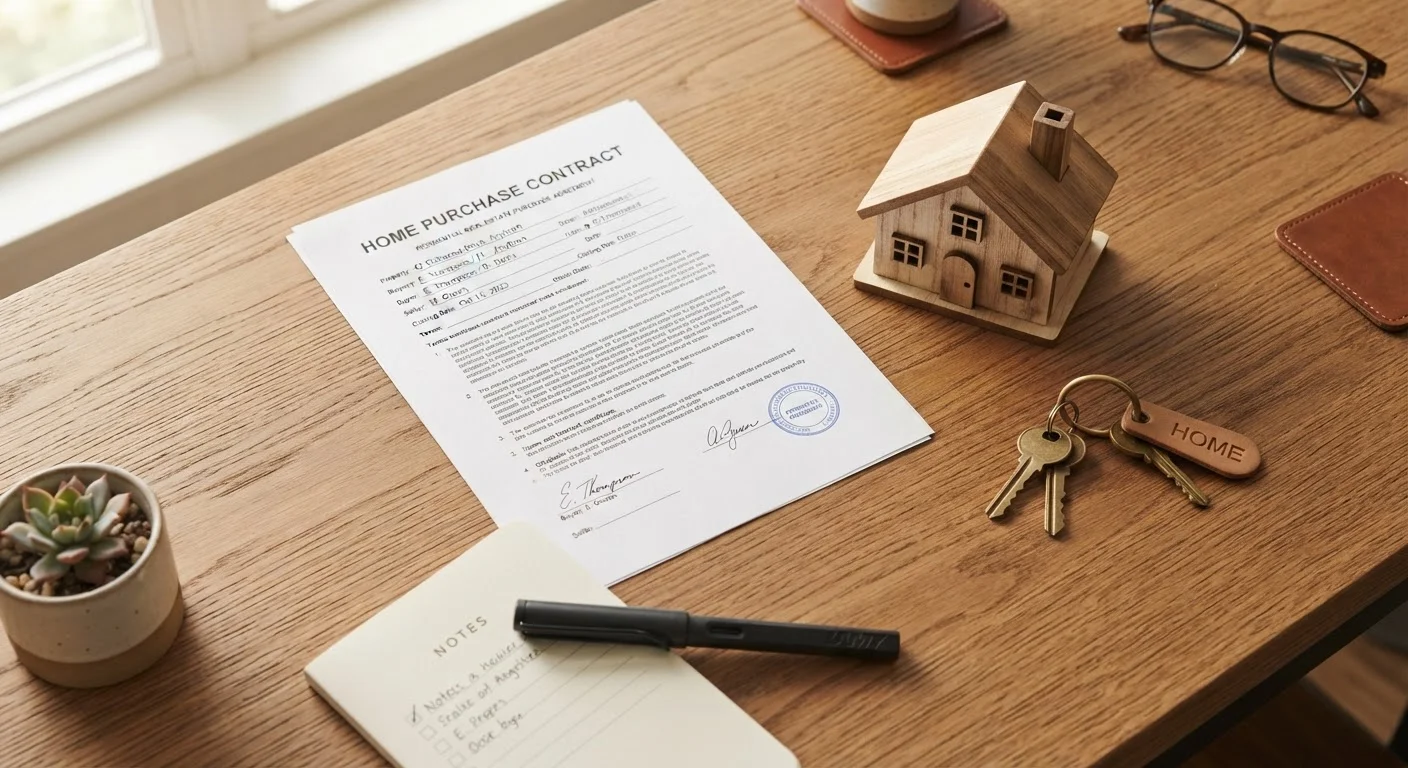
Photo credit: Glowwwatch.com
In this article
Escrow can feel like a black box. This guide explains what the escrow period involves, who's doing what, and why it takes as long as it does.
Key Takeaways
- Escrow typically lasts 30 to 60 days, though the timeline can vary based on financing and negotiations.
- Multiple parties are working simultaneously during escrow: your lender, inspector, appraiser, and title company.
- Contingencies written into your offer give you protected exit points if serious problems are discovered.
- Your earnest money deposit is held in escrow and applied toward your purchase at closing.
- Buyers have specific deadlines during escrow — missing them can cost you your deposit.
What Escrow Actually Means
When a seller accepts your offer, you don't immediately own the home — you enter escrow. Think of it as a structured holding period during which both buyer and seller fulfill every promise written into the purchase contract before ownership legally transfers.
A neutral third party — typically an escrow or title company — manages this process. They hold your earnest money deposit, collect required paperwork, and make sure all conditions are satisfied before releasing anything to anyone. For a plain-English rundown of the terms you'll encounter, see real estate terms every first-time buyer should understand.
Escrow is also where most of the behind-the-scenes work of buying a home actually happens — inspections, appraisals, loan underwriting, and title review all occur within this window.
A Week-by-Week Look at What Happens
While every transaction is different, escrow generally follows a predictable sequence.
Days 1–7: Opening and Initial Deposits
Once the purchase agreement is signed, escrow is formally opened. You'll submit your earnest money deposit — typically 1% to 3% of the purchase price — which is held in a neutral account. Your agent and the escrow officer will begin coordinating with your lender and title company.
Days 7–21: Inspections, Appraisal, and Loan Processing
This is the busiest phase. You'll schedule a home inspection (and any specialty inspections for things like roofing, pests, or sewer lines). Your lender will order an independent appraisal to confirm the home's market value supports the loan amount. Meanwhile, the title company begins researching the property's ownership history to ensure there are no liens, unpaid taxes, or ownership disputes that could cloud the title.
Your lender's underwriting team will also be reviewing your financial documents in detail. Expect requests for updated pay stubs, bank statements, or explanations for any unusual account activity. Respond quickly — delays here slow everything down.
30–60 days
Typical escrow timeline in the US
According to the National Association of Realtors, most purchase transactions close within 30 to 60 days of an accepted offer, depending on financing type and local market conditions.
~25%
Share of contracts with delayed closings
NAR's monthly Realtors Confidence Index has consistently found that roughly one in four purchase contracts experiences a delayed settlement, most often due to financing or appraisal issues.
1%–3%
Typical earnest money deposit range
Most buyers are expected to deposit between 1% and 3% of the purchase price as earnest money when entering escrow, though amounts vary by market and negotiation.
Days 21–30+: Contingency Deadlines and Final Approvals
Most purchase agreements include contingencies — conditions that must be met for the sale to proceed. Common ones include the inspection contingency (the right to renegotiate or exit if serious defects are found) and the financing contingency (the right to exit if your loan falls through). Each has a deadline. Once you remove a contingency in writing, you're generally committed to the purchase under those terms.
After underwriting is satisfied, your lender issues a Clear to Close — the official signal that your loan is approved and the closing can be scheduled.
Who Is Doing What During Escrow
Escrow can feel opaque because most of the work happens without you in the room. Here's who is active during this period and what they're responsible for.
- Escrow/Title Officer: Manages the neutral account, coordinates document collection, researches title history, and prepares closing disclosures.
- Your Lender: Processes and underwrites your loan, orders the appraisal, and issues final loan approval.
- Home Inspector: Hired by you to evaluate the property's condition and identify defects.
- Appraiser: An independent professional hired by your lender to assess market value.
- Your Real Estate Agent: Coordinates timelines, helps negotiate inspection repairs, and keeps the transaction on track.
- Seller's Agent: Works to satisfy seller-side obligations, such as completing agreed-upon repairs or providing required disclosures.
Respond to Lender Requests the Same Day
Underwriting delays are one of the most common reasons closings are pushed back. When your lender asks for a document or explanation, treat it as urgent. A same-day response keeps your file moving and helps you close on schedule.
For a full view of how escrow fits into the broader purchase journey, see the home-buying process from offer to closing day.
Closing Day: The Finish Line
Closing is the final step of escrow. You'll sign a significant stack of loan and transfer documents — often electronically — and pay your closing costs via wire transfer or certified check. Your lender funds the loan, the escrow company distributes proceeds to the seller and pays off their existing mortgage, and the deed is recorded with the county. At that point, you are the legal owner.
Keys are typically handed over once recording is confirmed — sometimes the same day, sometimes the following morning depending on local custom and county recording times.
Once closing wraps up, the real work of homeownership begins. Your first year as a homeowner brings a new set of responsibilities, from utility transfers to property tax deadlines — knowing what's coming makes the transition far smoother.
This article is for general informational and educational purposes only and does not constitute legal, financial, or real estate advice. Consult a licensed real estate professional or attorney for guidance specific to your situation and jurisdiction.
Frequently Asked Questions

Author
Real Estate Editorial Team
Real Estate Editorial Team is the collective byline for our editorial team and contributor network. Articles published under this byline or an editorial pen name are researched, written, and reviewed according to our editorial standards for clarity, consistency, and independence before publication.
View all articles →