
New Car vs. Used Car: Weighing the Real Trade-Offs
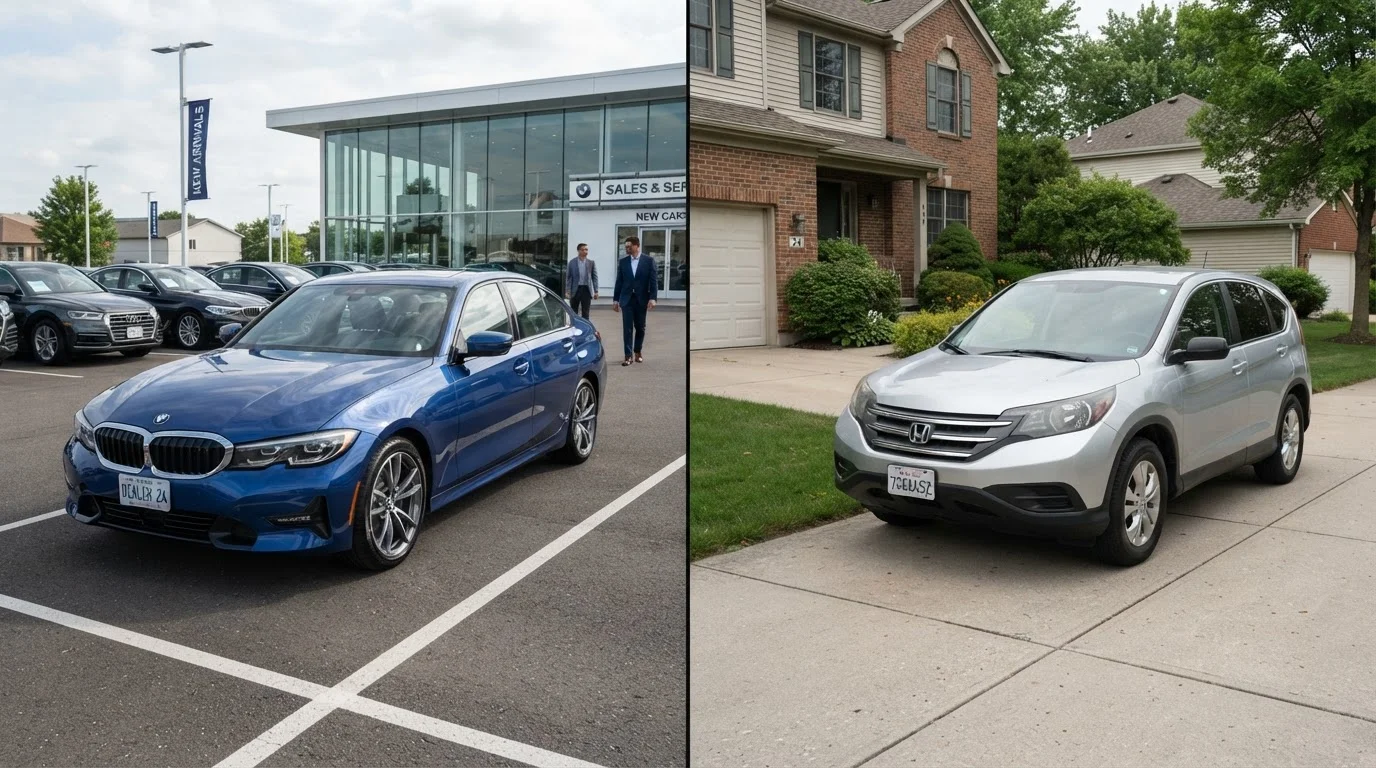
Photo credit: Glowwwatch.com
In this article
Depreciation, warranty coverage, reliability history, and financing differences—here's how new and used vehicles stack up for everyday owners.
Key Takeaways
- New cars lose significant value in the first few years — often 15–25% in year one alone.
- Used cars typically cost less upfront but may carry higher interest rates and repair risks.
- Certified pre-owned programs can bridge the gap with manufacturer-backed warranty coverage.
- Your total ownership cost — not just purchase price — is the most useful number to compare.
Full manufacturer warranty from day one
New cars arrive with bumper-to-bumper and powertrain coverage, shifting most repair costs to the manufacturer during the vehicle's most reliable years.
Access to manufacturer financing incentives
Automakers periodically offer subsidized loan rates to move new inventory, which can partially offset the higher sticker price compared to used alternatives.
Latest standard safety features included
New vehicles meet current federal safety requirements and typically include advanced driver-assistance systems that may be absent on older used models.
Known history — zero prior owners
You know exactly how the vehicle was driven and maintained from the start, eliminating uncertainty about hidden damage, deferred maintenance, or odometer issues.
Lower near-term maintenance costs
With everything under warranty and nothing worn out, new-car owners generally face minimal maintenance expenses beyond routine oil changes for the first few years.
Steepest depreciation hits immediately
A new car begins losing value the moment it leaves the lot, with the sharpest drop occurring in year one — making it a poor short-term financial move if you plan to sell soon.
Higher purchase price and loan balance
New vehicles cost more outright, which translates to a larger loan, more interest paid over time, and higher comprehensive and collision insurance premiums.
Higher insurance costs from day one
Lenders typically require full coverage on financed new cars, and higher replacement values push premiums up compared to an equivalent used vehicle.
Used cars cost less upfront
The lower purchase price of a used vehicle frees up cash for other priorities — or simply keeps monthly payments manageable without extending the loan term.
Uncertain mechanical and maintenance history
Without a complete service record, a used car may have deferred maintenance or undisclosed damage that doesn't surface until after purchase — a vehicle history report and pre-purchase inspection help but don't eliminate all risk.
Financing rates on used cars often run higher
Lenders view used vehicles as higher-risk collateral, so interest rates on used-car loans frequently exceed those available on new-car financing, narrowing the savings from the lower sticker price.
The Depreciation Gap: Where New Cars Take the Biggest Hit
Depreciation is the single largest cost most car owners never see on a bill. A new vehicle can lose a meaningful portion of its value in the first 12 months — commonly cited estimates range from 15% to 25% in year one, with cumulative losses of 40–50% over five years, though the exact figure varies by make, model, and market conditions. When you buy used, you let a previous owner absorb that steepest part of the curve.
That's a real financial advantage for used-car buyers — but it comes with an important caveat. If you buy a used car and resell it in a few years, you'll experience depreciation too, just at a slower rate. The benefit is greatest when you plan to drive the vehicle for many years. For a deeper look at how this works in practice, see how vehicle depreciation affects more than resale value.
Full manufacturer warranty from day one
New cars arrive with bumper-to-bumper and powertrain coverage, shifting most repair costs to the manufacturer during the vehicle's most reliable years.
Access to manufacturer financing incentives
Automakers periodically offer subsidized loan rates to move new inventory, which can partially offset the higher sticker price compared to used alternatives.
Latest standard safety features included
New vehicles meet current federal safety requirements and typically include advanced driver-assistance systems that may be absent on older used models.
Known history — zero prior owners
You know exactly how the vehicle was driven and maintained from the start, eliminating uncertainty about hidden damage, deferred maintenance, or odometer issues.
Lower near-term maintenance costs
With everything under warranty and nothing worn out, new-car owners generally face minimal maintenance expenses beyond routine oil changes for the first few years.
Financing, Insurance, and the Real Monthly Picture
New cars often come with manufacturer-subsidized financing — sometimes at very low rates — that used-car buyers typically can't access. However, new vehicles also carry higher sticker prices, which means larger loan balances and higher comprehensive and collision insurance premiums. A lower monthly payment on a used car can evaporate quickly if interest rates on that loan run several points higher.
Before comparing sticker prices, build out a full monthly cost picture: loan payment, insurance, estimated fuel, and a maintenance reserve. That broader lens usually tells a different story than the purchase price alone. The true cost of owning a car article walks through each of those line items in detail.
~20%
Average new-car value lost in year one
Industry analysts and consumer finance organizations commonly estimate new vehicles depreciate roughly 15–25% in their first year, with the steepest drop occurring in early months.
1–2%+
Typical rate gap: used vs. new auto loans
Used-car loan rates have historically run higher than new-car rates from the same lender, reducing the effective savings from a lower purchase price.
Warranty Coverage and Reliability: Managing the Unknown
New cars come with a manufacturer's bumper-to-bumper warranty — typically three years or 36,000 miles — plus a powertrain warranty that often extends to five years or 60,000 miles. That coverage transfers most repair risk back to the manufacturer during the most reliable years of the vehicle's life.
Used cars may have no warranty at all, a partial factory warranty if they're still within the original term, or an added certified pre-owned (CPO) warranty if purchased through a franchise dealer. CPO programs vary significantly in what they cover and for how long, so reviewing the terms carefully matters. If you're considering adding protection to a used vehicle after purchase, understanding the trade-offs is worthwhile — see extended warranties and service contracts for what to weigh.
Steepest depreciation hits immediately
A new car begins losing value the moment it leaves the lot, with the sharpest drop occurring in year one — making it a poor short-term financial move if you plan to sell soon.
Higher purchase price and loan balance
New vehicles cost more outright, which translates to a larger loan, more interest paid over time, and higher comprehensive and collision insurance premiums.
Higher insurance costs from day one
Lenders typically require full coverage on financed new cars, and higher replacement values push premiums up compared to an equivalent used vehicle.
Used cars cost less upfront
The lower purchase price of a used vehicle frees up cash for other priorities — or simply keeps monthly payments manageable without extending the loan term.
Uncertain mechanical and maintenance history
Without a complete service record, a used car may have deferred maintenance or undisclosed damage that doesn't surface until after purchase — a vehicle history report and pre-purchase inspection help but don't eliminate all risk.
Financing rates on used cars often run higher
Lenders view used vehicles as higher-risk collateral, so interest rates on used-car loans frequently exceed those available on new-car financing, narrowing the savings from the lower sticker price.
Safety Technology and Features: A Widening Gap
Modern vehicles — particularly those built in the last three to five years — include driver-assistance features that older models simply don't have: automatic emergency braking, lane-keeping assist, blind-spot monitoring, and rearview cameras (federally required on new vehicles since 2018). If these features matter to you, the model year of a used vehicle becomes a key variable, not just its price.
That said, a two- or three-year-old used car can still include most current safety tech at a meaningfully lower price than the newest equivalent. The gap between a current model year and a recent used car is smaller than the gap between a new car and a vehicle from eight or ten years ago. Knowing which safety features you consider non-negotiable helps you filter used inventory more effectively rather than ruling it out entirely.
This article is for general informational purposes only and does not constitute financial or purchasing advice. Individual vehicle costs and conditions vary — consult with a qualified automotive professional or financial advisor for guidance specific to your situation.

Author
Autos Editorial Team
Autos Editorial Team is the collective byline for our editorial team and contributor network. Articles published under this byline or an editorial pen name are researched, written, and reviewed according to our editorial standards for clarity, consistency, and independence before publication.
View all articles →